The Birth of the Slot Machine: A Mechanical Marvel
The humble slot machine, often colloquially referred to as a 'one-armed bandit,' has a storied history that dates back to the late 19th century. The first true slot machine was invented by Charles Fey in San Francisco in 1895. His creation, the Liberty Bell, featured three spinning reels and five symbols: horseshoes, diamonds, spades, hearts, and the cracked Liberty Bell itself. Unlike modern iterations, this was a purely mechanical device. Players would pull a lever—the 'one arm'—which engaged a complex system of springs, gears, and metal stops. The outcome was determined by the physical position of the reels when they came to rest. This design introduced the concept of automated payout and immediate gratification, a principle that underpins every slot machine today. The simplicity of the mechanism, combined with the thrill of risk, quickly made the Liberty Bell a sensation in bars and saloons, laying the foundation for a multi-billion-dollar industry.
The Transition to Electromechanical and Video Slots
By the 1960s, the limitations of purely mechanical slots became apparent. They were prone to wear, limited in game complexity, and offered only a single payline. The advent of electromechanical slots, pioneered by companies like Bally, marked a quantum leap. These machines used electrical motors to spin the reels but retained physical symbols. More importantly, they allowed for multiple coin denominations, larger jackpots, and the introduction of the first 'hold' and 'nudge' features. However, the true revolution came in the mid-1970s with the introduction of the video slot. In 1976, the Fortune Coin Co. released the first fully video-based slot machine, using a modified Sony TV as a display. This eliminated mechanical reels entirely, replacing them with a digital representation of spinning symbols. The transition to video was initially met with skepticism; players missed the tactile feedback of physical reels. Yet, the flexibility was undeniable. Video slots could offer dozens of paylines, intricate bonus rounds, and thematic graphics. Today, the term slot encompasses everything from classic three-reel video games to complex, multi-screen cinematic experiences with 3D animations and progressive jackpots.
The Heart of the Game: Random Number Generators and RTP
At the core of every modern slot—whether physical or digital—lies the Random Number Generator (RNG). This is a sophisticated algorithm that continuously generates numbers, even when the machine is not being played. When a player presses 'spin,' the RNG selects a random number that corresponds to a specific position on the virtual reel map. This ensures each spin is statistically independent of the last. In a physical mechanical slot, the outcome was determined by physics; in a digital slot, it is determined by mathematics. Closely related is the concept of Return to Player (RTP), a theoretical percentage that indicates how much of all wagered money a slot will return to players over an extremely large number of spins. For example, a slot with a 96% RTP will, in theory, pay back $96 for every $100 wagered. It is critical to understand that RTP is a long-term average, not a guarantee for a single session. The volatility or variance of a slot describes the risk level—high volatility slots offer larger but less frequent wins, while low volatility slots provide smaller, more frequent payouts. Understanding these mechanics is essential for any informed player engaging with a slot game, as it separates rational play from superstition.
The Cultural and Economic Impact of Slots
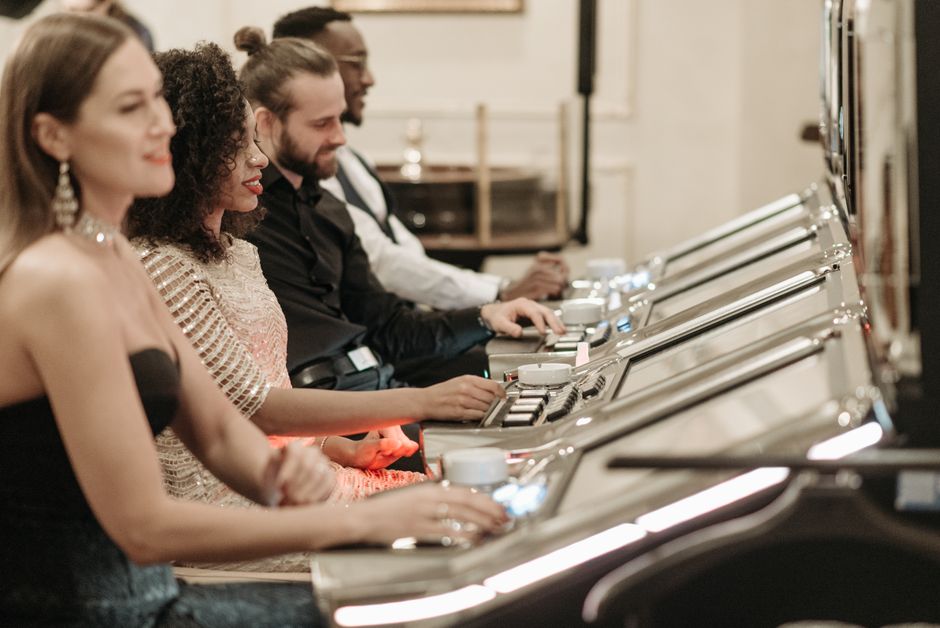
The slot machine has transcended its origins as a simple gambling device to become a cultural icon and a significant economic engine. In major casino markets like Las Vegas and Macau, slots generate the majority of casino revenue, often accounting for 60-70% of total gaming income. The allure is partly neurological: the intermittent reward schedule—unpredictable wins triggered by a near-random event—is proven to be highly engaging, often more so than consistent rewards. This has led to the gamification of slots, with features like 'sounds of a win' (chimes and celebratory music) even for losing spins that land near a payline. Beyond casinos, slot-style games have invaded mobile app stores, social media platforms, and even video games (via loot boxes), creating a gray area where gambling mechanics are used for entertainment without monetary stakes. The term slot has also become a verb in industry jargon, referring to the act of playing these machines. Economically, the industry supports hundreds of thousands of jobs globally, from game designers and mathematicians (who craft the hit frequencies) to casino floor staff and regulatory auditors. Yet, the accessibility and high-intensity nature of modern digital slots have also raised concerns about problem gambling, leading to stricter regulations on auto-play features, loss limits, and advertising in many jurisdictions.
Conclusion: The Future of the Slot
Looking ahead, the evolution of the slot is far from over. The integration of virtual reality (VR) promises to immerse players in fully realized 3D casino environments where they can physically pull a lever. Skill-based slots, incorporating elements of arcade games, attempt to attract a younger demographic who may find traditional spinning reels boring. Blockchain technology is also emerging, offering provably fair slots where the RNG outcome can be verified by the player. However, the fundamental psychology remains unchanged: the thrill of uncertainty, the hope of a life-changing win, and the simple pleasure of watching symbols align. Whether it is a classic Liberty Bell in a dusty San Francisco saloon or a 4K-resolution slot in a luxury online casino, the core appeal of the slot machine lies in its elegant pairing of chance and reward. As regulatory landscapes evolve and technology advances, one certainty remains: the slot machine will continue to spin, adapting to the culture it both reflects and shapes.